Introduction
Fencing is not simply a border in between properties; it functions as a guard, a declaration of design, and a means of personal privacy. In Melbourne, where the architectural landscape varies from contemporary to heritage, comprehending regional regulations for fencing ends up being crucial. Whether you're considering timber paling fences or Colorbond fences, knowing the rules that govern their setup can conserve you time, money, and headaches. This comprehensive guide aims to offer you with all the essential details regarding fencing policies in Melbourne.
Understanding Local Regulations for Fencing in Melbourne
When we speak about fencing guidelines in Melbourne, we're diving into a complicated web of regional laws and guidelines that dictate what you can and can not do when erecting a fence. These policies intend to maintain aesthetic consistency within neighborhoods while guaranteeing safety requirements are met.
The Value of Compliance
Why is it so important to adhere to these policies? Overlooking them can result in disagreements with neighbors, substantial fines, and even the removal of your newly erected fence. Therefore, it's vital to familiarize yourself with local laws before employing fence builders or fence installers in Melbourne
Key Regulatory Bodies
In Melbourne, a number of authorities supervise fencing regulations:
- Local Councils: Your go-to authority for zoning laws and particular fencing restrictions. Victorian Structure Authority (VBA): Guarantees compliance with structure codes. Environmental Defense Authority (EPA): Addresses issues connected to sound and environmental impact.
Types of Fences Governed by Regulations
Fencing policies differ depending upon the kind of fence you wish to set up:
Timber Paling Fences Colorbond Fences Aluminium Blade Fences Aluminium Slat Fences Tubular Metal Fences Picket Fences Glass Fences Pool Fences Privacy Fences Security FencesEach type has its own set of guidelines concerning height limitations, products used, and building and construction methods.
Height Limitations for Residential Fencing
What Are the Standard Height Limits?
In houses across Melbourne, there specify height limits for fences:
- Front fences: Generally limited to 1.2 meters. Side and rear fences: Usually capped at 2 meters.
Why Do These Limitations Exist?
These constraints exist mainly for visual factors-- to preserve exposure and prevent obstruction of views-- and security reasons-- particularly near roads.
Understanding Obstacle Requirements
What Is Setback?
Setback describes the distance your fence must be from residential or commercial property limits or particular structures like https://writeablog.net/legonatnzf/fencing-melbourne-specialist-tips-for-resilient-installations trees or buildings.
Why Is It Important?
Adhering to setback requirements can avoid conflicts with next-door neighbors and ensure that your fence does not violate any council guidelines.
Special Regulations for Pool Fencing
Why Swimming pool Safety Matters
If you're considering setting up swimming pool fencing in Melbourne, understand that these fences have specific security requirements mandated by law to protect children from drowning incidents.
Key Features Required:
- Minimum height: 1.2 meters above ground level. No gaps larger than 10 cm at the bottom. Self-closing gates that latch automatically.
Make sure your selected specialist understands these requirements well!
Noise Control Regulations for Fence Installation
How Can Noise Effect Your Neighbors?
Fencing building and construction can generate noise that might disturb your next-door neighbors; for this reason many councils have noise control procedures in place throughout certain hours of the day.
What To Bear in mind:
- Construction frequently limited to weekdays. Quiet hours typically enforced throughout evenings and weekends.
It's wise to inform your next-door neighbors before starting any work!
Choosing the Right Product While Considering Regional Laws
Which Materials Are The majority of Popular?
The option of product can considerably impact compliance with local guidelines:
Timber Paling Fences Colorbond Fences Aluminium OptionsPros & & Cons
|Product|Pros|Cons|| ----------------------|---------------------------------------|------------------------------------|| Wood Paling|Affordable & & traditional look|Requires regular maintenance|| Colorbond|Resilient & & low upkeep|Can be more costly|| Aluminium Blade|Modern look & & light-weight|May not match standard homes|
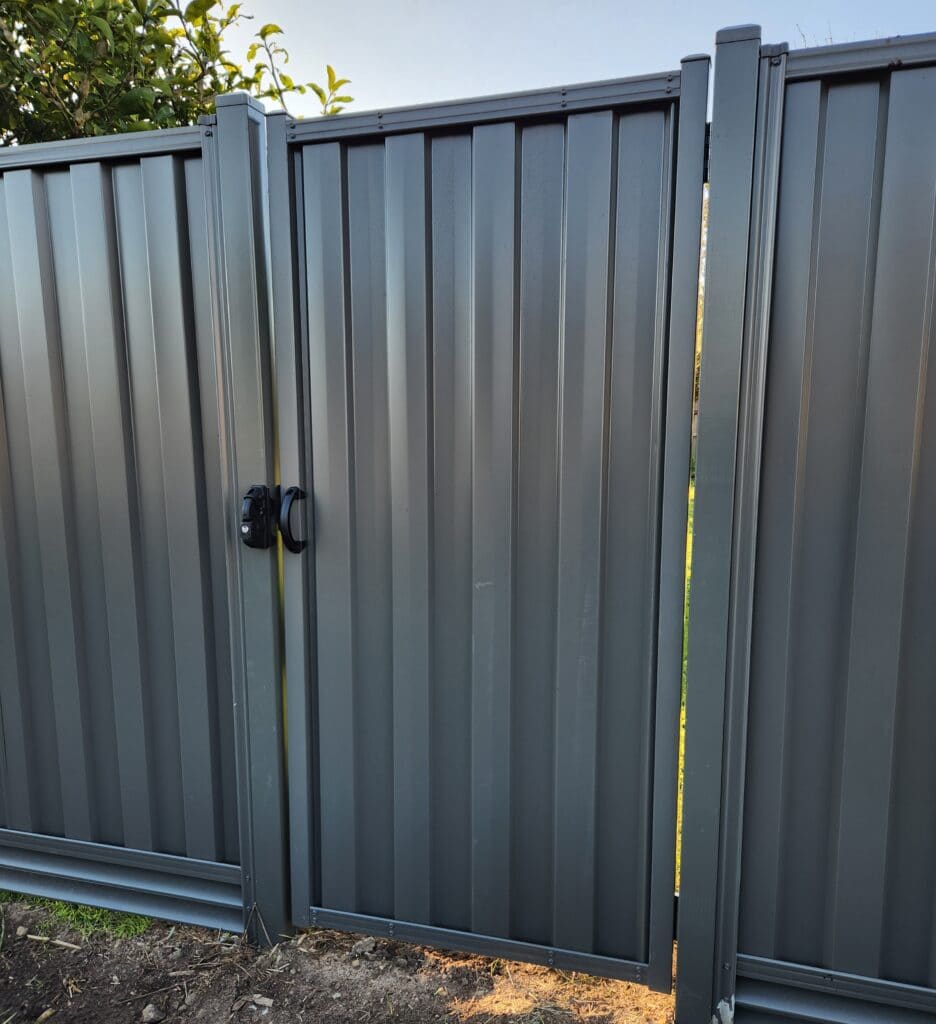
Choosing products wisely will not only help you comply but also boost your home's visual appeal!
DIY vs Expert Installation: What You Need To Know?
Is do it yourself Worth It?
While some property owners may think about do it yourself alternatives for cost-saving purposes, it is essential to weigh this against potential legal repercussions if things go awry.
Benefits of Hiring Professionals:
- Expertise in browsing local regulations. Quality assurance guarantees. Faster conclusion times.
Consider hiring licensed specialists like reputable fencing professionals in Melbourne who understand local codes thoroughly!
Permits and Paperwork Required for Fence Installation
What Allows Are Required?
Before starting any fencing task, inspect whether you require authorizations from your local council or other authorities:
Building Permit Planning Permit Approval from Neighbors (if suitable)Not getting needed permits might lead you into legal problem down the line.
FAQs About Local Regulations for Fencing in Melbourne
1. Do I need consent to replace an existing fence?
Yes! Even if you're replacing an old fence with a new one, it's suggested to inspect whether council approval is needed according to existing zoning laws.
2. Can I construct my fence greater than allowed?
No! Structure higher than permitted can lead to penalties consisting of fines and mandated elimination of the fence.
3. Are there various guidelines for rural vs metropolitan areas?
Absolutely! Rural areas might have different height limitations or material constraints compared to metropolitan settings due to zoning differences.
4. How do I solve disputes with my next-door neighbor about a border fence?
Start by having an open dialogue discussing each other's expectations; if unsolved, mediation services may be practical before escalating more legally.
5. What's considered "good next-door neighbor" practices regarding fences?
It's suggested always consulting next-door neighbors ahead of time about any plans including shared boundaries; this builds goodwill while making sure compliance too!
6. Can I install security features like barbed wire?
Generally no! The majority of councils prohibit barbed wire due its dangerous nature unless particularly excused under security situations-- check first!
Conclusion
Understanding local guidelines for fencing in Melbourne extends beyond mere looks-- it's about being accountable residents who respect community laws while producing safe environments at home! From picking materials like timber paling fences or Colorbond options through guaranteeing compliance with safety standards needed particularly around swimming pools-- the whole procedure needs diligence as much as creativity!
By equipping yourself with understanding about necessary licenses in addition to height constraints appropriate based upon location-- you'll pave way towards successful installation eventually leading to enhanced home worth plus peace-of-mind knowing whatever was done right!
So whether you're looking at alternatives like automatic gates or pedestrian gates-- guarantee every action taken aligns flawlessly within framework established in your area so that both you AND your neighbors delight in unified coexistence in the middle of gorgeous surroundings paid for through thoughtful preparation together!